Compare Local Contractors for Expert Tree Shaping Services
Compare local contractors for tree shaping services to define project scope, verify experience, and set clear expectations for a successful outcome.
Tree shaping services typically involve the careful training and guiding of trees to grow in specific forms or structures. This can include techniques such as pruning, wiring, and supporting branches to achieve desired aesthetic or functional outcomes. Property owners might seek these services for artistic landscape features, functional architectural elements, or to enhance the visual appeal of outdoor spaces. Understanding the scope of work is essential, as it determines the methods used, the extent of pruning or training, and the overall design goals, ensuring that the project aligns with the property’s landscape and long-term health of the trees.
Defining the scope of a tree shaping project is a critical step in working with local contractors. Clear communication about the desired outcomes, the types of trees involved, and any specific design preferences helps establish realistic expectations and prevents misunderstandings. Property owners should work with contractors to specify what tasks will be performed, such as structural training, aesthetic pruning, or supporting frameworks. Documenting these details in writing provides a reference point throughout the project, helping to ensure that both parties understand the agreed-upon work and can address any adjustments or concerns along the way.
When comparing local contractors for tree shaping services, it’s important to consider their experience with similar projects and their understanding of tree health and growth patterns. Property owners can review credentials, ask for examples of previous work, and inquire about their approach to project planning and communication. Verifying that contractors have a clear process for defining scope, setting expectations, and providing detailed proposals can help ensure the project proceeds smoothly. By assessing these factors, property owners can make informed decisions and select service providers who are capable of meeting their specific tree shaping needs.
Compare local contractors by outlining your project priorities, verifying their experience, and setting clear expectations in writing.
- Experience Verification - Review the background and past work of local contractors to ensure they have relevant experience in tree shaping services.
- Scope Definition - Clearly outline the project requirements and expectations to help compare and select suitable service providers.
- Written Agreements - Establish detailed, written agreements that specify the scope of work and responsibilities for each contractor.
- Service Provider Comparison - Use available information to compare local contractors based on expertise, reputation, and service offerings to find the best match.
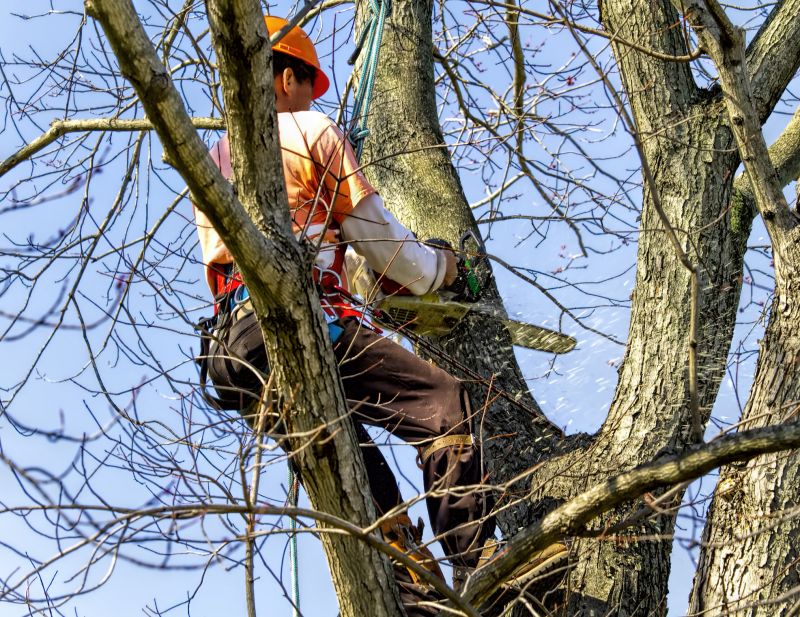
Clearly describe your tree shaping project to help compare local contractors, verify experience, and set expectations in writing.
- Verify the experience and expertise of local contractors in tree shaping services. - Ensure contractors clearly define the scope of work and project expectations in writing.
- Compare multiple service providers to assess their qualifications and service offerings. - Look for detailed descriptions of the tree shaping techniques and methods they use.
- Check references or reviews to gauge the reliability and quality of previous tree shaping projects. - Confirm that contractors have a proven track record with similar tree shaping services.
- Ensure the scope of work, materials, and project deliverables are documented in a detailed agreement. - Clarify any questions about the process before work begins to set proper expectations.
- Assess the communication style and responsiveness of potential service providers. - Choose contractors who provide clear, professional, and transparent information about their services.
Use this to compare local contractors, clarify project scope, verify experience, and set clear expectations.
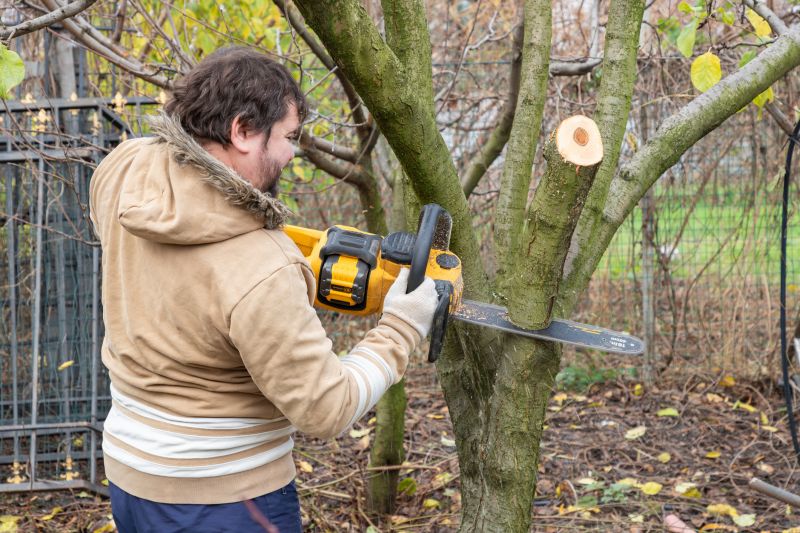
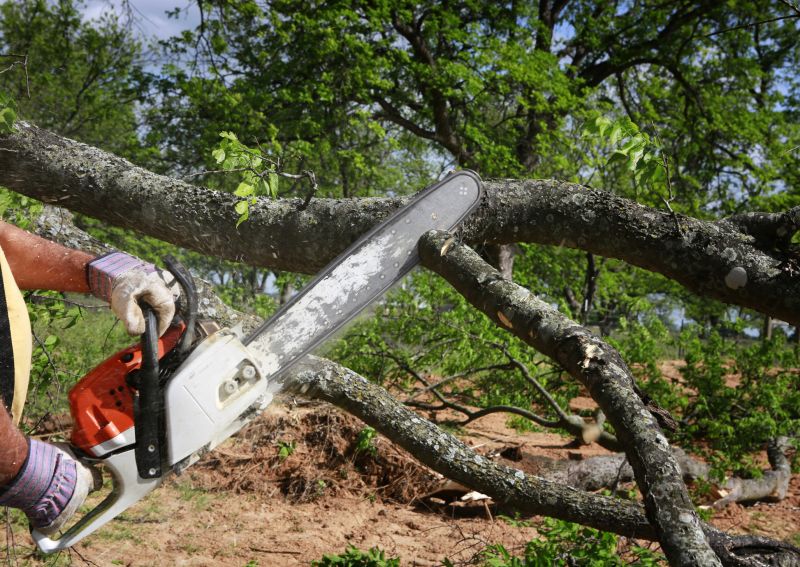
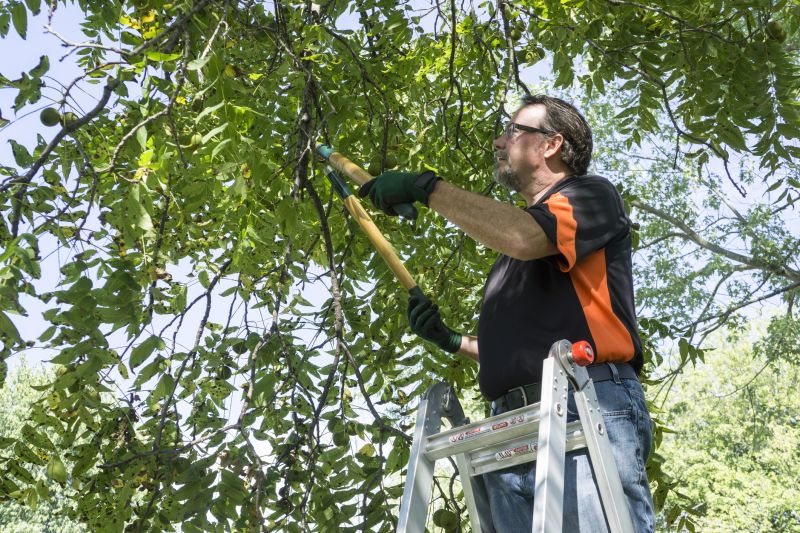
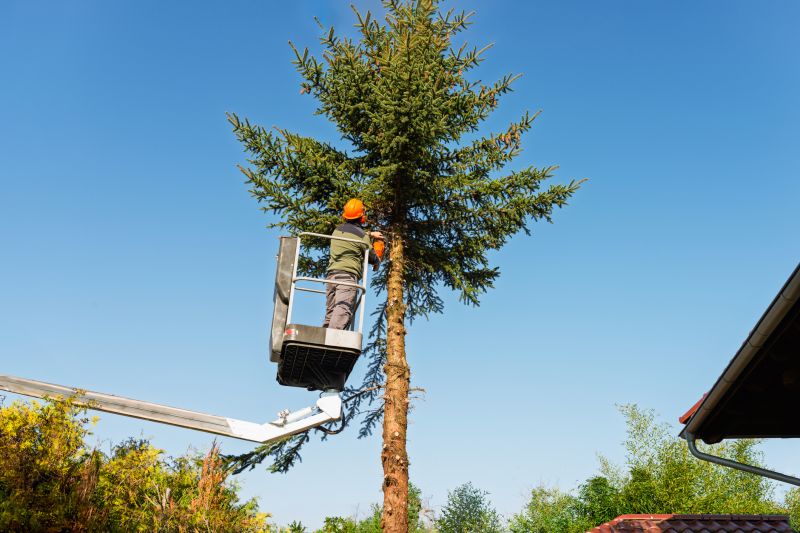
Learn how to compare local contractors, define project scope, verify experience, and set clear expectations in writing.
- Scope Definition - Clearly outline the specific tree shaping services required and the desired outcomes.
- Experience Verification - Confirm the local contractors have relevant experience with tree shaping projects similar in scope.
- Material and Method Clarification - Specify the types of materials and techniques to be used during the tree shaping process.
- Work Site Details - Describe the location, access considerations, and any site-specific conditions relevant to the project.
- Documentation Expectations - Establish the need for written agreements that detail the scope, materials, and responsibilities of the service providers.
When comparing contractors for Tree Shaping Service, it’s important to evaluate their experience with similar projects. Homeowners should inquire about the types of tree shaping work the contractors have completed in the past, paying attention to the complexity and scale of those projects. Contractors with a history of handling comparable work are more likely to understand the unique challenges involved and deliver results that meet expectations. Gathering details about their previous projects can help ensure that the service provider has relevant hands-on experience, which is a key factor in achieving successful outcomes.
A clear, written scope of work is essential when assessing potential service providers. Homeowners should seek detailed descriptions of what the project will include, specifying the techniques, materials, and overall approach the contractor plans to use. A well-defined scope helps prevent misunderstandings and provides a basis for evaluating whether the contractor’s methods align with the homeowner’s goals. Establishing this clarity early in the process ensures that all parties share a common understanding of the project’s extent and deliverables.
Verification basics are vital when choosing a contractor for tree shaping. Homeowners should verify that the service providers can provide references or examples of completed work, enabling an assessment of their quality and reliability. It’s also helpful to review any available documentation that confirms the contractor’s experience with similar projects. While licensing and certification are not always mandatory, confirming the contractor’s reputation and track record through references or prior client feedback can provide added confidence in their capability to handle the job effectively.
Evaluating options without focusing on prices involves carefully considering how each contractor’s experience, scope of work, and verification details align with the project’s needs. Homeowners should compare the clarity of the scope descriptions, the relevance of the contractor’s past work, and the strength of their references. Asking detailed questions about their approach and requesting written confirmation of project specifics can help identify service providers who are well-qualified and transparent. This thorough comparison process supports selecting a contractor capable of delivering quality results tailored to the homeowner’s expectations.
Ask for written scope and details to ensure clear expectations and consistent understanding with service providers.
- Experience and Expertise - What specific experience do the service providers have with tree shaping projects similar to the scope needed?
- Scope of Work - How do the contractors define and document the scope of the tree shaping services to ensure clear expectations?
- Materials and Techniques - What methods and materials do the local contractors typically use, and how do they ensure durability and safety?
- Project Approach - How do service providers plan to approach the project, including any necessary assessments or preparatory steps?
- References and Past Work - Can the contractors provide references or examples of previous tree shaping projects that demonstrate their capabilities?
How can I compare different contractors for tree shaping services? Reviewing credentials, experience, and client references can help evaluate how each contractor handles tree shaping projects and ensures quality work.
What should I consider when defining the scope of a tree shaping project? Clearly outlining the desired design, size, and location of the shaped trees helps contractors understand the project requirements and deliver expected results.
How do I verify a contractor’s experience with tree shaping? Asking about previous projects, requesting examples of their work, and checking client testimonials can provide insight into their expertise and craftsmanship.
Why is it important to put project expectations in writing? Documenting the scope, materials, and responsibilities helps prevent misunderstandings and ensures all parties are aligned on the project details.
What questions should I ask a contractor before hiring for tree shaping? Inquire about their experience, methods, materials used, and how they handle potential challenges to assess their suitability for the project.
How can I ensure a contractor understands my vision for tree shaping? Providing detailed descriptions, sketches, or reference images can help contractors grasp your expectations and plan accordingly.
This page has highlighted the importance of understanding the scope of tree shaping projects, verifying the experience of local contractors, and setting clear expectations in writing. By comparing different service providers, visitors can better assess which local contractors are best suited to handle their specific needs. Utilizing the quote form makes it easy to gather information and explore options without the need for commitments or direct contact.
Taking the time to define project details and review experience helps ensure a smooth process when working with local service providers. The quote form offers a straightforward way to compare options and connect with local contractors capable of managing tree shaping services. This approach supports making informed decisions tailored to individual project requirements.