Compare Local Contractors for Expert Tree Shearing Services
Compare local contractors for tree shearing to define scope, verify experience, and set clear expectations for a safe, professional job.
Tree shearing is a specialized service that involves trimming and shaping trees to maintain their health, improve appearance, or ensure safety around a property. This work typically includes removing overgrown branches, thinning dense foliage, and sculpting trees to achieve a desired form. Proper shearing can help prevent branches from becoming hazards during storms, promote better air circulation, and support overall tree vitality. Contractors performing this work often use a combination of manual tools and equipment to carefully shape trees while minimizing damage to the surrounding landscape.
Defining the scope of tree shearing work is essential to ensure that property owners and contractors share clear expectations. A well-outlined scope should specify which trees or areas require attention, the desired shape or outcome, and any particular considerations such as proximity to structures or power lines. Establishing this scope in writing helps prevent misunderstandings, ensures the contractor understands the property owner’s goals, and provides a reference point for the work to be performed. Clarifying these details early in the process can contribute to a smoother project and more satisfactory results.
Property owners can compare local contractors for tree shearing by reviewing their experience, reputation, and the services they offer. It’s helpful to look for contractors who have a history of working with similar types of trees and property settings. Asking for references or examples of previous work can provide insight into the quality of their services. Additionally, verifying that contractors clearly define the scope of work in writing and understand the property owner’s expectations can lead to a more successful project. Comparing these factors helps ensure that the chosen service provider is capable of meeting the specific needs of the property.
Compare local contractors by outlining your project needs, verifying experience, and setting clear expectations in writing.
- Compare Contractor Experience - review the backgrounds and project history of local contractors to ensure they have relevant expertise in tree shearing.
- Define Scope Clearly - establish detailed project expectations and specific tasks to prevent misunderstandings.
- Verify Credentials and References - check references and previous work to assess the reliability and quality of local service providers.
- Document Agreements in Writing - ensure all project details, responsibilities, and expectations are recorded in a formal contract.
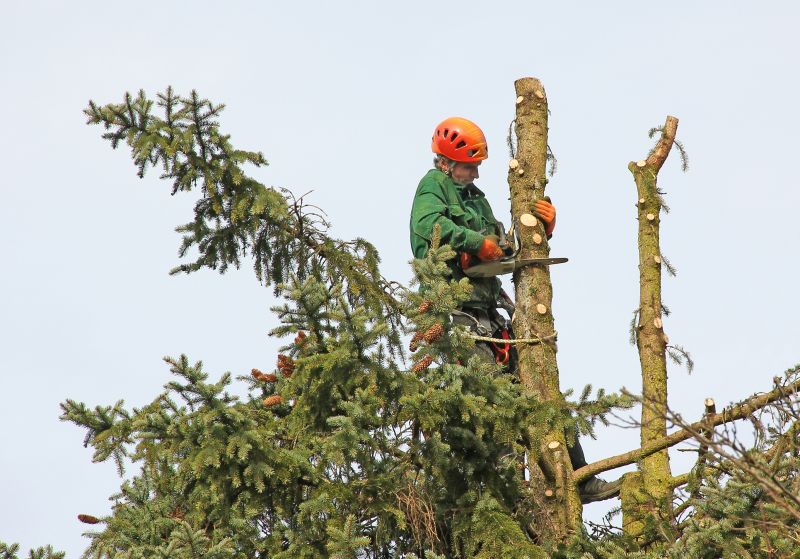
Clearly describe your tree shearing project to compare local contractors, verify experience, and set expectations in writing.
- Verify the contractor’s experience with tree shearing projects similar in scope and complexity. Ensure the scope of work is clearly defined and documented in the service agreement.
- Assess the contractor’s methods for pruning to confirm they follow proper techniques that promote tree health and safety. Confirm that the contractor has appropriate equipment to handle the size and type of trees involved.
- Check references or reviews to gauge the reliability and quality of the contractor’s previous tree shearing work. Make sure the scope of work and expectations are outlined in writing before the project begins.
- Determine if the contractor provides a detailed plan for the shearing process, including the intended outcome and safety measures. Confirm that the contractor is aware of local regulations or guidelines related to tree shearing.
- Compare the scope of work, methods, and experience levels among several local contractors to make an informed choice.
Compare local contractors' experience and clarify project scope to ensure smooth tree shearing work.
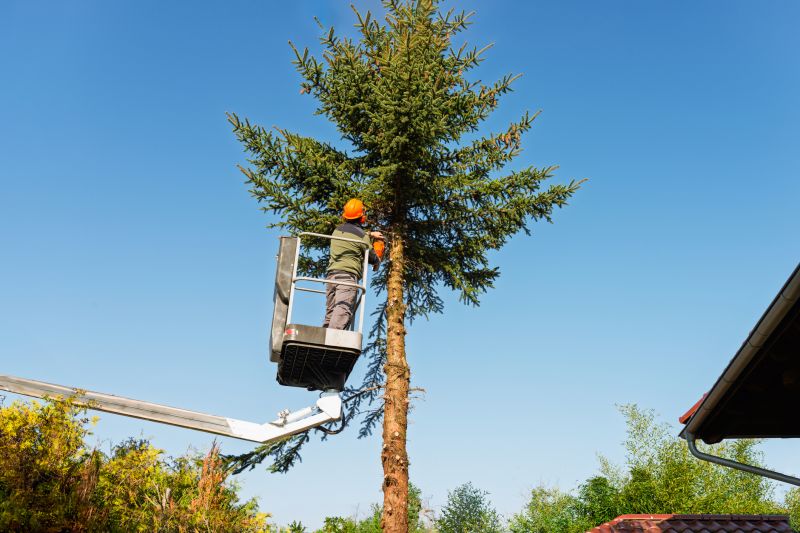
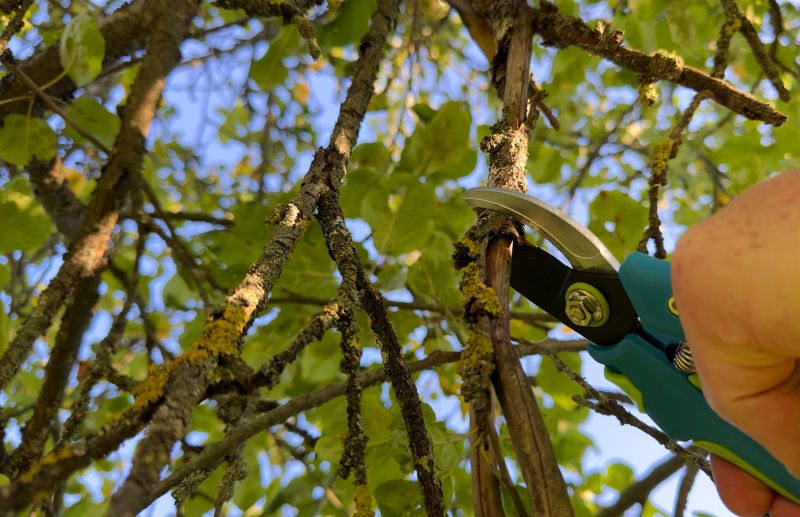
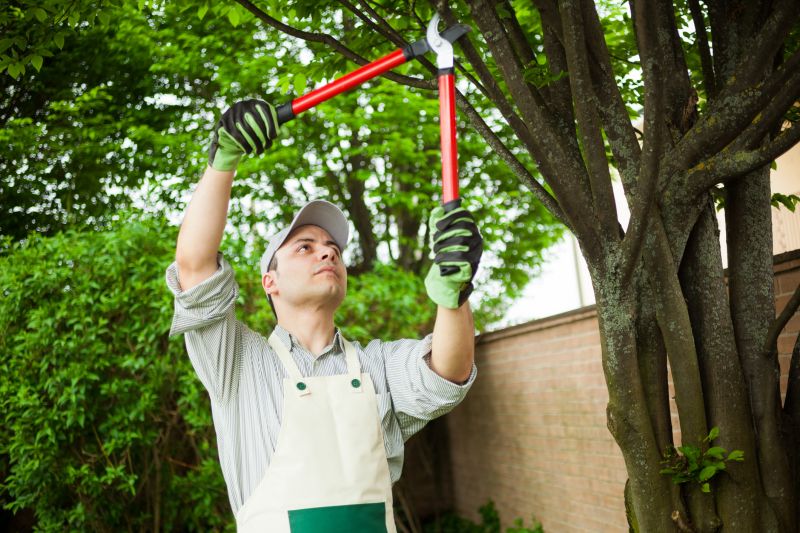
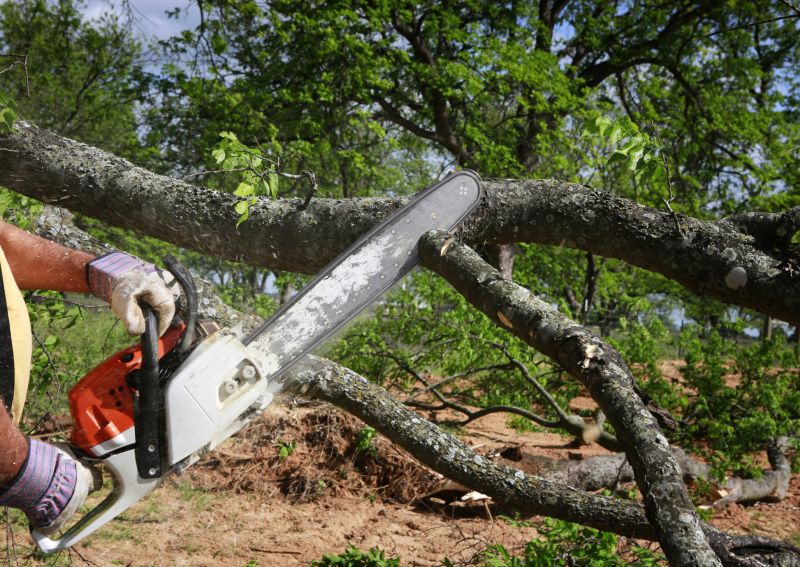
Learn how to compare local contractors for tree shearing by defining scope, verifying experience, and setting clear expectations.
- Define the scope of tree shearing services needed to clarify the extent of work required. Ensure the scope specifies which trees, the desired height or shape, and any access considerations.
- Identify the experience level of local contractors with tree shearing projects similar in size and complexity. Verify that service providers have relevant experience for the specific scope of work.
- Establish clear expectations for the quality and methods of tree shearing to be performed. Document preferred techniques, safety considerations, and any specific standards to follow.
- Request detailed written descriptions of the work to compare how different service providers plan to approach the project. Obtain written scope descriptions to facilitate accurate comparison and decision-making.
- Verify that all service providers understand and agree on the scope before work begins to prevent misunderstandings. Confirm that scope details are agreed upon in writing prior to scheduling or starting the project.
When comparing contractors for tree shearing, it’s important to consider their experience with similar projects. Service providers who have a proven track record handling tree shearing tasks comparable to the scope at hand can offer valuable insight into their capabilities. Inquiring about the types of trees they have worked on and the complexity of past projects can help determine whether a contractor’s expertise aligns with the specific needs of the property. An experienced contractor is more likely to be familiar with the techniques and safety considerations necessary for effective and efficient tree shearing.
A clear, written scope of work is essential when evaluating potential contractors. This document should outline the specific tasks to be performed, the areas or trees involved, and any particular approaches or techniques expected. Having a detailed scope helps prevent misunderstandings and ensures all parties have aligned expectations. When reviewing proposals or estimates, look for contractors who provide comprehensive descriptions of the work, as this reflects their understanding of the project and their ability to communicate clearly.
Verification basics are key to establishing trust and confidence in a contractor’s qualifications. While licensing and certification are not the focus here, it’s advisable to ask for references or examples of completed projects similar in scope. Confirming that a contractor has successfully handled comparable tree shearing jobs can provide reassurance of their competence. Additionally, verifying insurance coverage and safety practices can help ensure that the work will be conducted responsibly, reducing potential liabilities or complications.
Evaluating options without relying on prices involves assessing the quality of proposals, the clarity of communication, and the professionalism demonstrated by each service provider. Consider how well each contractor understands the project scope and whether their approach aligns with the property owner’s expectations. Comparing the details provided in written proposals can reveal differences in experience, attention to detail, and overall approach. Taking the time to review these aspects helps identify the most suitable local contractors for the specific tree shearing needs, ensuring a well-informed decision process.
Ask for written scope and details to ensure clear expectations and consistent work from local contractors.
- Scope of Work - What specific tasks are included in the tree shearing service offered by different contractors?
- Experience and Expertise - How do local contractors' backgrounds and experience levels compare in performing tree shearing projects?
- Work Methods and Techniques - What methods or equipment do service providers use to ensure proper tree shearing?
- Clarification of Responsibilities - What responsibilities will the contractor assume versus what is expected from the property owner?
- Written Agreements - How are project details, scope, and expectations documented in the service agreements?
What should I consider when choosing a contractor for tree shearing? It's important to compare local contractors based on their experience, scope of work, and reputation. Reviewing their past projects and verifying their expertise can help ensure the right fit for the job.
How can I define the scope of tree shearing services? Clearly outline the specific trees to be sheared, the desired shape or height, and any safety or property considerations. Communicating these details in writing helps set clear expectations.
What questions should I ask a contractor before hiring for tree shearing? Ask about their experience with similar projects, the methods they use, and whether they provide a written plan or estimate. This helps assess their suitability for the work.
Why is it important to verify a contractor’s experience in tree shearing? Confirming their background ensures they are knowledgeable about proper techniques and safety practices, reducing the risk of damage or subpar results.
How can I ensure I and the contractor agree on the work to be done? Create a detailed written agreement that specifies the scope, methods, and expectations. This documentation helps prevent misunderstandings during the project.
What is the best way to compare local contractors for tree shearing? Gather information about their experience, services offered, and references. Comparing these factors provides insight into which service provider aligns with the project’s needs.
The information provided highlights the importance of clearly defining the scope of a tree shearing project, verifying the experience of local contractors, and setting expectations in writing to ensure a smooth process. Visitors now understand how to compare different service providers and what steps to take to find the right fit for their needs. Using the quote form can help connect with qualified local contractors who are prepared to handle the job effectively.
By utilizing the quote form, visitors can easily explore and compare options among local service providers specializing in tree shearing. This approach simplifies the process of finding experienced contractors who can meet specific project requirements, making it easier to make informed decisions based on verified information and clear communication.